● Soil Stabilization Guide
What Is Toprak Stabilizasyonu?
Definition, Types & How It Works
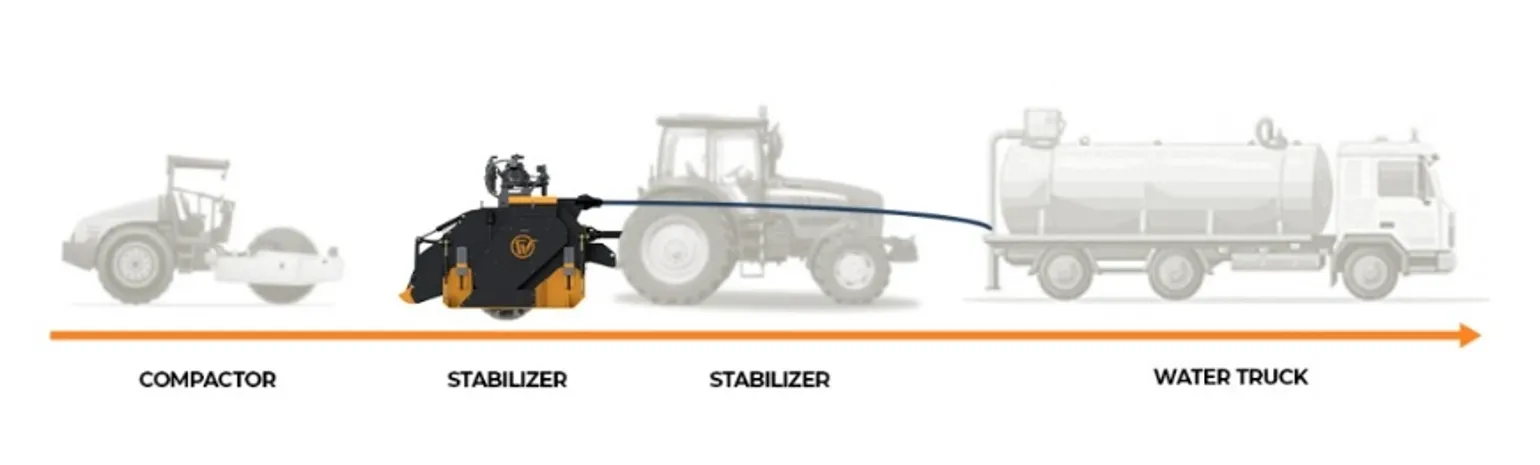
Soil stabilization is the process of permanently improving the engineering properties of soil — increasing its load-bearing capacity, reducing its plasticity, and building its resistance to water, erosion, and environmental stress. For construction professionals and agricultural operators working on weak or problematic ground, understanding what soil stabilization is, how it works, and which method to choose is the starting point for every reliable project outcome.
What Is Soil Stabilization? The Engineering Definition
Soil stabilization is a technique used in civil and geotechnical engineering to modify and enhance the engineering properties of soil — including its mechanical strength, permeability, compressibility, durability, and plasticity — so that it can reliably support structures, roads, or other loads throughout a project’s design life.
In practical terms, it transforms ground that would otherwise fail under load into a consistent, load-bearing material. Soft clay that would sink under a loaded truck becomes firm. Sandy topsoil that erodes in the wind holds its position. Waterlogged subgrade that would never reach adequate density drains, consolidates, and gains strength.
Soil stabilization is widely applied in sub-base and subgrade construction, road and rail projects, building foundations, embankments, and retaining wall backfill — essentially any situation where natural soil properties are insufficient for the engineering demand placed on them.
Industry Definition
Soil stabilization refers to the biological, chemical, or mechanical adjustment of soil engineering features to achieve specific performance requirements — covering strength, durability, compressibility, permeability, and plasticity.
Why Soil Stabilization Matters in Construction and Agriculture
Not all soil is created equal. Natural ground conditions vary dramatically from site to site, and many projects encounter soil that simply cannot support the required loads or withstand the environmental conditions it will face. Attempting to build on unstabilized weak soil leads to pavement failures, uneven settlement, structural cracking, and expensive remediation.
The alternative is excavation and replacement with imported fill — a process that is slow, expensive, and environmentally costly. Stabilizing weak in-situ soil eliminates the need for remove-and-replace operations and, when the stabilized layer is incorporated into the structural pavement design, allows subsequent layers to be thinner — resulting in sizable cost savings and reducing demand for virgin materials.
In agricultural settings, the objectives shift slightly: rather than creating a rigid pavement base, the goal is to improve workability, drainage, and soil structure to support machinery traffic without compaction damage, and to create optimal seedbed conditions on difficult soils.
“
Stabilizing weak in-situ soil is typically 30–50% cheaper than full excavation and replacement — and produces a more uniform, more durable result.
Core Engineering Objectives of Soil Stabilization
Every soil stabilization project targets one or more of the following engineering objectives:
- Increasing bearing capacity — Stabilized soil supports heavier loads with less deformation, the primary goal in road subgrade and foundation applications.
- Reducing plasticity index (PI) — Clay-rich soils swell when wet and shrink when dry, cracking pavements and structures. Reducing PI makes soil dimensionally stable across seasonal moisture changes.
- Controlling moisture sensitivity — Untreated fine-grained soils can lose almost all strength when saturated. Stabilization preserves strength even when the soil becomes wet.
- Improving workability on site — Wet, cohesive clay is difficult to compact and grade. Lime treatment immediately dries it out and makes it friable and workable.
- Reducing permeability — Stabilized soil limits water ingress, reducing freeze-thaw damage, shrink-swell cycles, and erosion risk.
- Preventing surface erosion — Bound soil particles resist wind and water forces far better than loose, unbound material.
How Soil Stabilization Works: Three Core Mechanisms
Regardless of which method is chosen, soil stabilization improves ground performance through one or more of three fundamental mechanisms:
Mechanical Densification
Compaction, mixing, and blending physically rearrange soil particles, reducing void space and increasing density. Denser soil has higher bearing capacity and lower permeability. This underlies almost every other stabilization method.
Chemical Cementation
Binders such as Portland cement or lime react with soil particles and pore water. Cement forms calcium silicate hydrate (CSH) crystals that bind particles into a rigid matrix, progressively increasing strength over days and weeks. Lime triggers a slower pozzolanic reaction that continues building strength over months.
Surface Chemistry Modification
Polymers and ionic chemicals alter the electrical charge on clay particle surfaces, allowing particles to flocculate and aggregate. This reduces plasticity and improves drainage without necessarily adding structural cementation strength.
In practice, most real-world projects combine more than one mechanism. A road subgrade treated with lime benefits from immediate drying and plasticity reduction, followed by gradual pozzolanic strength gain over the following weeks and months.
Which Soil Types Require Stabilization?
Well-graded gravels and sands often have sufficient natural strength for many applications. The soils most frequently requiring stabilization are:
| Soil Type | Core Problem | Common Treatment |
|---|---|---|
| Expansive Clay | Swells when wet, shrinks when dry — cracks pavements and foundations seasonally | Lime stabilization |
| Soft Clay / Silt | Low bearing capacity when saturated; slow long-term settlement under load | Cement or deep mixing |
| Loose Sand | Poor particle interlocking; erosion-prone; liquefaction risk under dynamic load | Cement or bitumen binder |
| Organic Soil / Peat | Very low bearing capacity; decomposes and consolidates over time | Removal or deep mixing |
| Mine Spoil / Fill | Unpredictable composition; variable strength across the site | Chemical stabilization |
The Four Main Types of Soil Stabilization
1. Mechanical Stabilization
Mechanical stabilization improves soil through physical means — compaction, blending of soil gradations, or incorporation of granular materials — without adding chemical binders. It is the most fundamental form of stabilization and is used as a preparation step in almost every project, including those that also involve chemical treatment.
2. Chemical Stabilization
Chemical stabilization adds binding agents that react with soil particles to create cemented bonds and permanently improve engineering properties. The most widely used chemical stabilizers are Portland cement and lime. Other agents include fly ash, calcium chloride, silica fume, and synthetic polymers. See our detailed guide on soil stabilization with cement for full technical detail.
3. Biological Stabilization
Biological stabilization uses living organisms or organic processes to improve soil behavior. The most common form is vegetation — plant root systems physically bind soil particles and reduce surface erosion. A more advanced technique, microbially induced calcite precipitation (MICP), uses bacteria to produce calcium carbonate that cements soil grains together with minimal environmental impact.
4. Electrical Stabilization
Electro-osmosis passes electrical current through saturated fine-grained soils, driving water toward electrodes where it can be drained. This reduces moisture content and increases effective stress, improving bearing capacity in soft clay and silt where conventional drainage is too slow. It is a specialist method and far less common than the first three categories.
The Role of a Soil Stabilizer Machine
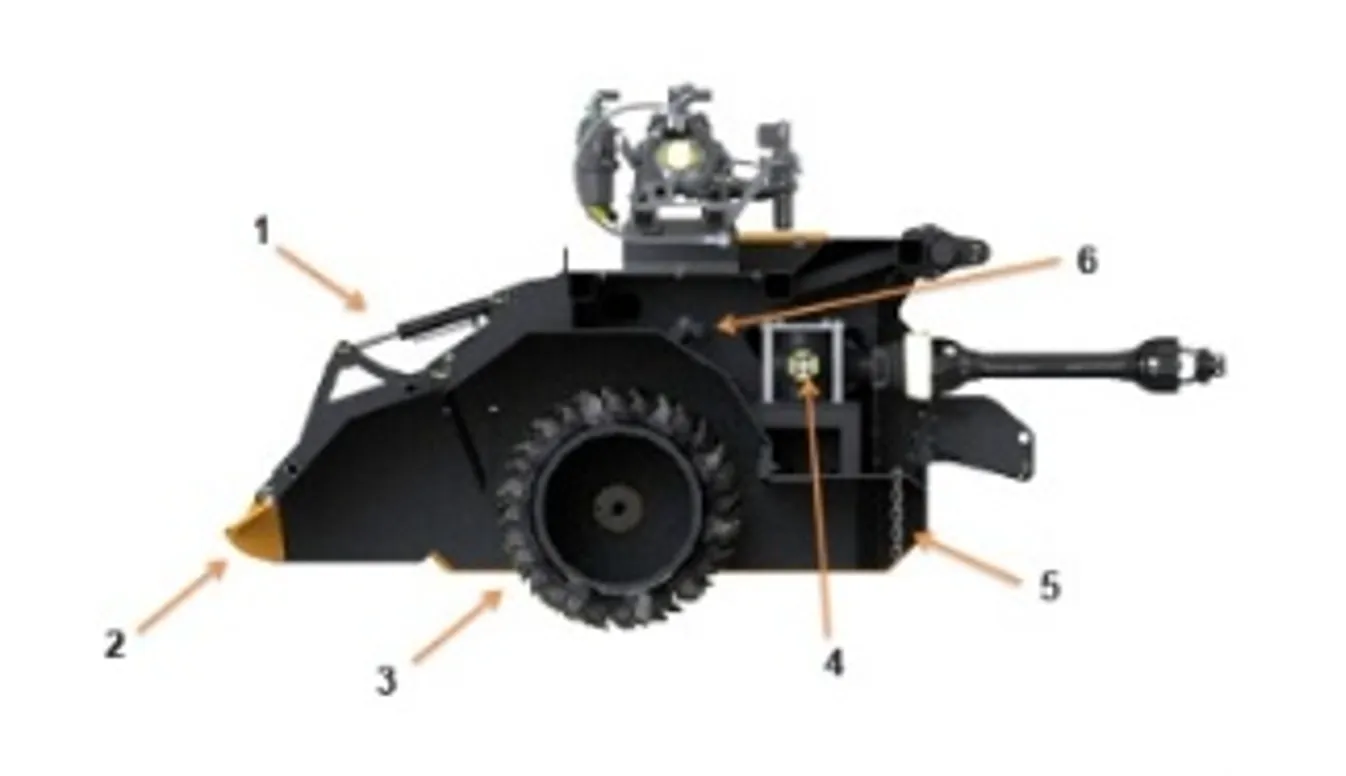
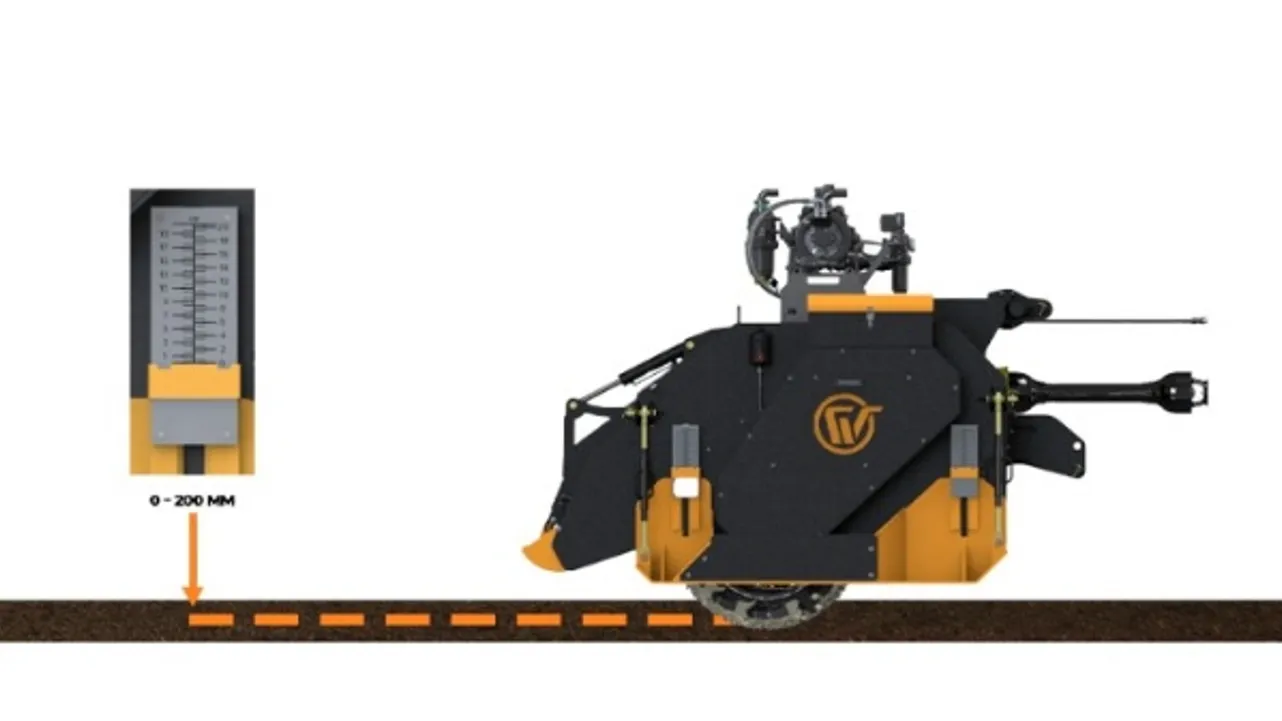
Understanding soil stabilization as a concept is one thing; executing it correctly in the field requires the right equipment. A soil stabilizer machine — equipped with a high-speed rotor fitted with carbide-tipped cutting teeth — mills the existing soil to a specified depth while simultaneously blending in the stabilizing agent, which has been pre-spread on the surface.
The quality of mixing is critical. Insufficient mixing leaves pockets of untreated soil within the stabilized layer, creating weak spots that fail under load. A properly calibrated machine ensures uniform distribution of binder throughout the treatment depth, delivering consistent strength across the entire project area.
Where Is Soil Stabilization Used?
- Road construction and rehabilitation — Stabilizing subgrade and subbase layers reduces required pavement thickness, extends road service life, and cuts long-term maintenance costs.
- Airport and port construction — Runways, taxiways, and container yards demand extremely stable and uniform subgrades to handle heavy, repetitive wheel loads.
- Building foundations — When natural soil at a building site is too weak or expansive, in-situ stabilization is typically more economical than excavating and replacing it with imported fill.
- Agricultural land preparation — Breaking up compacted subsoil pans, incorporating soil amendments, and preparing seedbeds on Black Cotton Soil and other difficult Indian soils with mechanical stabilizer equipment.
- Slope and embankment stabilization — Preventing landslides and erosion on vulnerable terrain by binding surface soils with binders, vegetation, or geotextiles.
- Mining access roads — Creating haul roads quickly and economically across weak terrain without importing large volumes of aggregate.
Key Benefits of Soil Stabilization
- Cost reduction of 30–50% compared to full excavation and aggregate import on large-scale projects
- Faster project delivery — large treatment areas completed in days rather than weeks of excavation and haulage
- Reduced environmental footprint — fewer truck movements, lower fuel consumption, less disruption to local roads and communities
- Superior long-term performance — stabilized subgrades are more uniform and more durable than subgrades built from imported fill of variable quality
- Permanent improvement — when correctly designed, chemical stabilization produces strength gains that persist throughout the design life of the project
Frequently Asked Questions
QWhat is soil stabilization in simple terms?
Soil stabilization is the process of making weak or problematic soil stronger and more stable — by compacting it, mixing in chemical binders like cement or lime, or using other methods — so it can safely support roads, buildings, or agricultural machinery.
QWhat are the main types of soil stabilization?
The four main categories are mechanical stabilization (compaction and blending), chemical stabilization (cement, lime, fly ash, polymers), biological stabilization (vegetation and microbial methods), and electrical stabilization (electro-osmosis for saturated fine-grained soils).
QWhat materials are used for soil stabilization?
The most commonly used materials are Portland cement and lime, which account for the majority of chemical stabilization projects worldwide. Other materials include fly ash, calcium chloride, bitumen emulsion, synthetic polymers, and geotextile fibers.
QHow long does soil stabilization last?
When correctly designed and executed, cement or lime stabilization can last 20–50 years or more, aligning with the typical design life of the road or structure it supports. Durability depends on soil type, binder choice, treatment depth, and quality of mixing and compaction during construction.
QIs soil stabilization the same as soil improvement?
Not exactly. Soil improvement is a broader term covering any intervention that makes soil more suitable for a purpose — including drainage, dewatering, and preloading. Soil stabilization specifically refers to adding binders or mechanical treatment to permanently alter engineering properties. All stabilization is soil improvement, but not all soil improvement is stabilization.
Key Takeaways
- Soil stabilization permanently improves bearing capacity, plasticity, moisture resistance, and erosion resistance
- Three core mechanisms: mechanical densification, chemical cementation, and surface chemistry modification
- Four method categories: mechanical, chemical, biological, and electrical — chemical being most widely used
- Most commonly applied to expansive clay, soft clay/silt, loose sand, and disturbed or reclaimed soils
- In-situ stabilization is typically 30–50% cheaper than excavation and replacement with imported aggregate
For construction and agricultural projects across India requiring reliable, tractor-mounted soil stabilization, the THOR ST Soil Stabilizer from India Watanabe Soil Stabilizer Co.,Ltd delivers the mixing performance, depth control, and durability that professional results demand. Contact our team to discuss your project requirements.