● Classification Guide
How Many Types of Stabilizzazione del suolo Are There?
Soil stabilization is not a single technique — it is a family of methods, each working through a different mechanism, suited to different soil types, project scales, and budget constraints. Engineers, contractors, and land managers who understand the full classification of stabilization types are better equipped to select the right solution for their specific ground conditions. This article maps the complete taxonomy of soil stabilization types, from broad categories to specific methods within each.
How Many Types of Soil Stabilization Are There?
The number of soil stabilization types depends on how you classify them. At the broadest level, there are four primary categories recognized in geotechnical engineering standards worldwide — mechanical, chemical, biological, and electrical. Within each category, there are multiple specific methods, giving a total of more than 20 distinct stabilization techniques when classified at the method level.
Different standards classify them differently. The Indian Roads Congress (IRC:SP:89) organizes stabilization primarily by binder type — lime, cement, fly ash, and combinations. ASTM D1557 and AASHTO focus on compaction and mechanical methods. The European EN 14227 series covers hydraulically bound mixtures. This article uses the broadest internationally recognized framework — classification by stabilization mechanism — which encompasses all of the above.
Classification Summary
4 primary categories by mechanism → 20+ specific methods by technique → each suited to specific soil types, loading conditions, and project budgets. The correct choice depends on soil classification, target strength, available equipment, and timeline.
Category 1: Mechanical Stabilization
Mechanical stabilization improves soil through physical means — changing the arrangement, density, or grading of soil particles without introducing chemical binders. It is the oldest and most fundamental form of stabilization, and forms the basis of all other methods. No chemical treatment can perform well if the soil is not first adequately compacted.
1.1 Compaction
The application of mechanical energy — impact, vibration, static weight, or kneading — to reduce air voids in soil and increase its dry density. Compaction increases bearing capacity and reduces compressibility and permeability. Methods include vibratory roller compaction, dynamic compaction (dropping a heavy weight from height), and rapid impact compaction. The target is typically 95–100% of Maximum Dry Density (MDD) as determined by Modified Proctor test (ASTM D1557 / IS:2720 Part 8).
1.2 Mechanical Blending (Soil Gradation Improvement)
Mixing the existing soil with granular material — sand, gravel, or crushed aggregate — to improve its particle size distribution. A well-graded mixture with good interlocking between particles has higher bearing capacity and lower plasticity than a gap-graded or poorly graded soil. Blending is used when the existing soil is too fine-grained (high clay and silt content) but removing it entirely is not economical.
1.3 Preloading and Surcharging
Applying a temporary load — a surcharge fill — to soft, compressible soil before construction. The surcharge accelerates consolidation settlement, squeezing out pore water and increasing effective stress. Once the design settlement has occurred and the surcharge is removed, the pre-consolidated soil is significantly stronger and stiffer than before. This method is slow (months to years) but cost-effective for large areas of soft clay where speed is not critical.
1.4 Vibro-Compaction and Stone Columns
A vibrating probe is inserted into loose granular soil to densify it laterally (vibro-compaction), or into soft clay where granular material is introduced around the probe to form a reinforcing column (vibro-replacement or stone columns). Stone columns improve bearing capacity by acting as load-transfer elements that carry load down to a more competent stratum, and by accelerating drainage to speed up consolidation of the surrounding clay.
Category 2: Chemical Stabilization
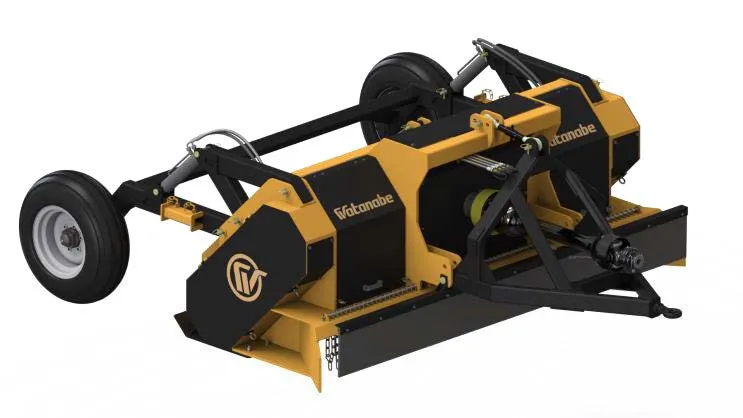
Chemical stabilization introduces binding agents into the soil that react with soil particles and pore water to permanently alter soil properties. It is the most widely used category for road construction and agricultural land improvement, and produces the most durable and measurable results. Chemical stabilization is the primary application for soil stabilizer machines such as the THOR ST.
2.1 Lime Stabilization
Quicklime (CaO) or hydrated lime (Ca(OH)₂) is mixed into the soil to reduce plasticity index, improve workability, and progressively increase strength through pozzolanic reaction. Lime stabilization is the primary treatment for high-plasticity clays including Black Cotton Soil. Typical lime content: 3–6% by dry soil mass. Strength development is slow (peaks at 90+ days) but the reduction in plasticity and moisture sensitivity is immediate and permanent. Governed by IRC:SP:89 in India.
2.2 Cement Stabilization
Portland cement is mixed into the soil and hydrates to form calcium silicate hydrate (CSH) crystals that bind soil particles into a rigid cementitious matrix. Suitable for granular soils, silts, and low-to-moderate plasticity clays (PI < 20). Target UCS: 1.5–3.0 MPa at 7 days for road subbase (IRC:SP:89). Strength gain is fast (significant at 7 days) but the compaction window is short (2 hours). See our full guide on soil stabilization with cement.
2.3 Fly Ash Stabilization
Fly ash is a pozzolanic by-product of coal combustion that reacts with calcium hydroxide (from lime or from cement hydration) to form additional CSH. Class C fly ash contains sufficient calcium to self-react; Class F fly ash requires a calcium activator such as lime or cement. Fly ash reduces binder cost, improves workability, reduces permeability, and adds long-term strength. India generates over 200 million tonnes of fly ash annually — its use in stabilization reduces both construction cost and disposal burden.
2.4 Bitumen Stabilization
Bitumen emulsion or foamed bitumen is mixed into granular soils to coat particles and improve cohesion, waterproofing, and resistance to moisture ingress. Unlike cement and lime — which create rigid cementitious bonds — bitumen stabilization creates a flexible, waterproof matrix that is resistant to fatigue cracking under repeated traffic loading. Commonly used in full-depth reclamation of asphalt pavements and for stabilizing granular road bases.
2.5 Chemical Stabilizers (Ionic, Enzyme-Based, and Polymer)
A range of proprietary liquid chemical stabilizers work by modifying clay particle surface chemistry — changing the electrical charge on clay surfaces to promote flocculation and aggregation, reducing plasticity and improving compaction. These include ionic stabilizers (e.g. sulfonated petroleum products), enzyme-based stabilizers (biological catalysts that accelerate soil-particle bonding), and synthetic polymers (acrylic, polyacrylamide). Results are variable and soil-specific; they work best on silty clays and are not suitable for all soil types.
2.6 Ground Granulated Blast Furnace Slag (GGBS)
A latent hydraulic binder produced as a by-product of iron manufacturing. GGBS is activated by lime or alkalis in the mixing water to form CSH, similar to cement hydration but at a slower rate. It is used as a partial replacement for cement in stabilization to reduce cost and carbon footprint, and improves the durability and resistance to sulphate attack of the stabilized layer compared to cement alone.
Category 3: Biological Stabilization
Biological stabilization uses living organisms or biologically derived processes to improve soil properties. It is the most environmentally benign category and is particularly suited to surface stabilization on slopes, embankments, and agricultural land where the primary goal is erosion control rather than structural strength gain.
3.1 Vegetation Stabilization
The oldest stabilization method in existence. Plant root systems physically bind soil particles, increase surface roughness to reduce runoff velocity, intercept rainfall energy before it reaches the soil surface, and extract soil moisture (reducing saturation and pore pressure on slopes). Grasses are used for rapid surface stabilization; deeper-rooted shrubs and trees provide deeper reinforcement on steeper slopes. Effective for erosion control but contributes little to engineering bearing capacity.
3.2 Microbially Induced Calcite Precipitation (MICP)
A bio-cementation technique in which bacteria (typically Sporosarcina pasteurii) are introduced into the soil along with urea and calcium chloride. The bacteria produce the enzyme urease, which catalyses the hydrolysis of urea to produce carbonate ions. These combine with calcium ions to precipitate calcium carbonate (calcite) crystals at particle contact points, cementing the soil. MICP has been demonstrated in laboratory conditions to increase UCS of loose sand from near zero to over 1.0 MPa. It remains largely experimental at field scale but is an active area of research for sustainable soil improvement.
3.3 Biochar and Organic Amendment
Biochar — charcoal produced by pyrolysis of organic matter — is mixed into agricultural soils to improve aggregate stability, water retention, and microbial activity. Unlike construction stabilization, this is primarily aimed at improving soil structure for agricultural productivity rather than load-bearing capacity. Organic matter additions (compost, green manure) improve aggregate stability and soil biological health over the medium to long term.
Category 4: Electrical Stabilization
Electrical stabilization applies electrical current to saturated fine-grained soils to drive water movement and improve stability. It is a specialist category used in specific circumstances where conventional drainage and chemical treatment are impractical.
4.1 Electro-Osmosis
A direct current is passed between electrodes installed in saturated clay. Water migrates from anode to cathode (electro-osmotic flow) and is drained at the cathode, reducing moisture content and increasing effective stress. The result is increased shear strength and reduced plasticity — without any binder. Useful for stabilizing soft clay slopes, unstable excavation faces, and tunnel walls where conventional dewatering is impractical. High energy cost and specialist equipment limit its use to projects where other methods cannot be applied.
4.2 Electro-Kinetic Injection
A development of electro-osmosis in which chemical stabilizers — lime, silicate, or other binders — are introduced at the anode and transported by electro-kinetic flow deep into fine-grained soil that would otherwise be impermeable to injection. The binder reacts with the soil in situ, achieving chemical stabilization at depth without excavation. This technique is used in heritage structure underpinning, deep slope stabilization, and contaminated land remediation.
“
For the vast majority of road construction and agricultural projects in India, the choice narrows to two: lime stabilization for high-plasticity clay, and cement stabilization for granular soils and low-PI clays. Everything else is specialist territory.
All Types at a Glance: Comparison Table
| Type | Mechanism | Best For | Typical UCS | Speed |
|---|---|---|---|---|
| Compaction | Densification | All soils as base treatment | N/A (density-based) | Immediate |
| Soil Blending | Grading improvement | Gap-graded / fine soils | N/A | Immediate |
| Lime Stabilization | Ion exchange + pozzolanic | High-PI clay, Black Cotton Soil | 0.3–1.5 MPa | Slow (90+ days) |
| Cement Stabilization | CSH cementation | Granular, silt, low-PI clay | 1.5–5.0 MPa | Fast (7 days) |
| Fly Ash Stabilization | Pozzolanic (with activator) | Supplement to lime/cement | 0.5–2.0 MPa | Moderare |
| Bitumen Stabilization | Waterproof coating + cohesion | Granular soils, FDR | Flexible (ITS-based) | Fast |
| Polymer / Ionic | Surface chemistry modification | Silty clays (site-specific) | Variable | Fast |
| Vegetation | Root binding + erosion protection | Slopes, embankments | Not structural | Seasons |
| MICP (Bio-cementation) | Bacterial calcite precipitation | Research / specialist use | Up to 1.0 MPa (lab) | Slow |
| Electro-Osmosis | Electrical dewatering | Saturated clay, specialist use | Drainage-based | Weeks |
How to Choose the Right Type of Stabilization
With more than 20 specific methods available, selecting the right type requires a systematic approach based on four key factors:
- Soil classification — High-PI clays always need lime first. Granular soils respond directly to cement. Organic soils require removal or specialist biological/chemical treatment. Particle size distribution and Atterberg limits determine which methods are viable.
- Target strength and performance — If you need a structural subbase with UCS > 1.5 MPa, chemical stabilization with cement or lime-cement is required. If you only need workability improvement for a construction platform, lime modification alone may suffice. If you only need erosion control, vegetation is sufficient.
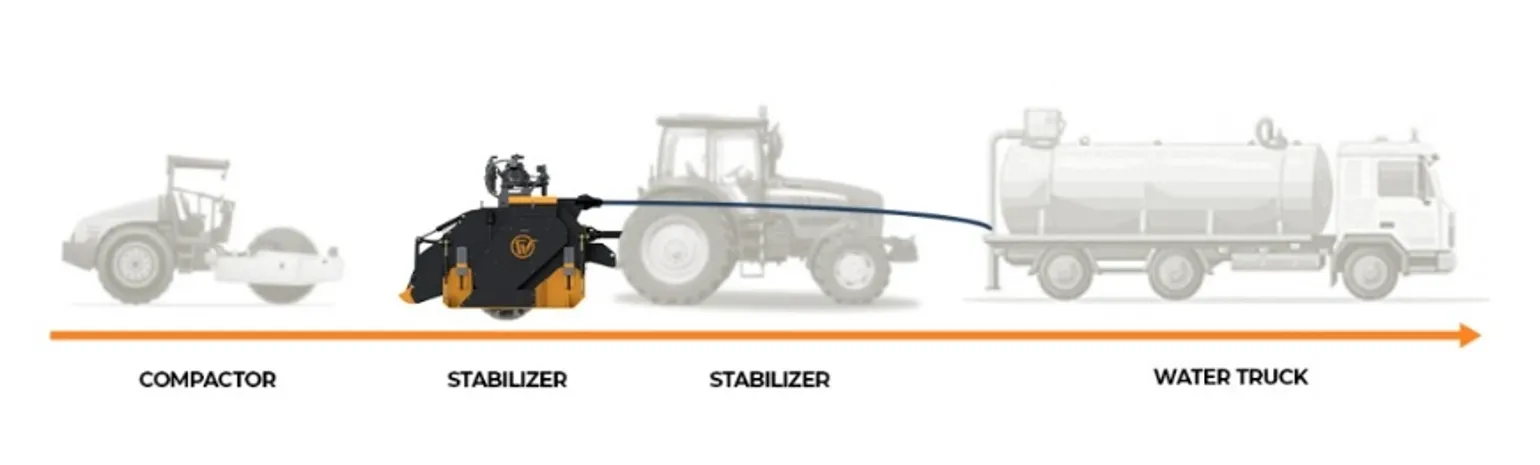
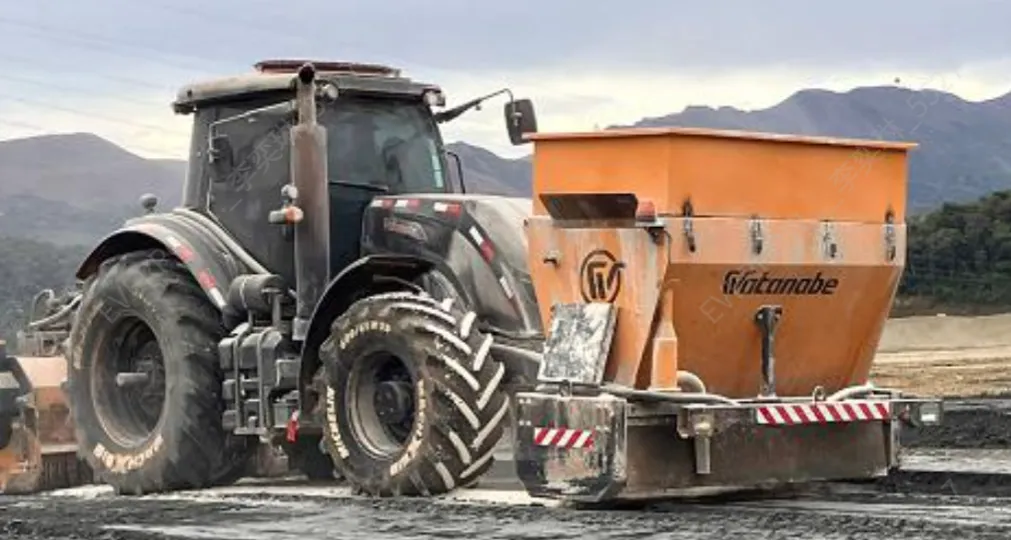
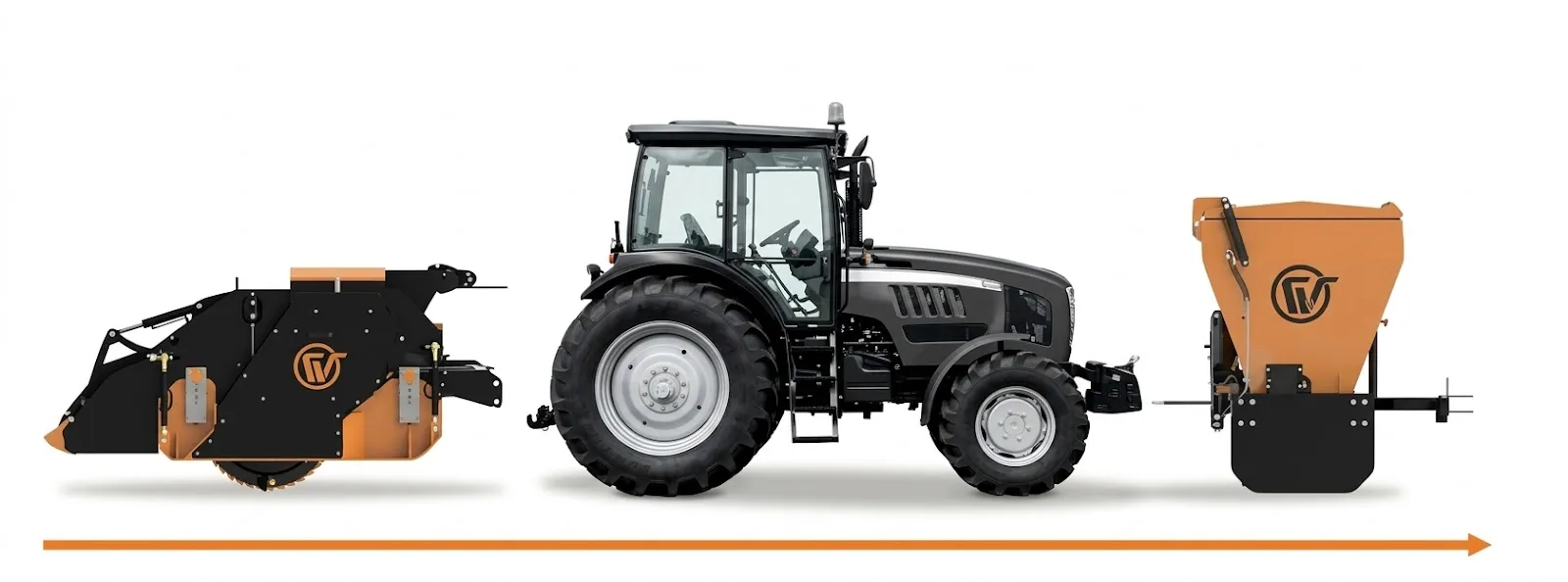
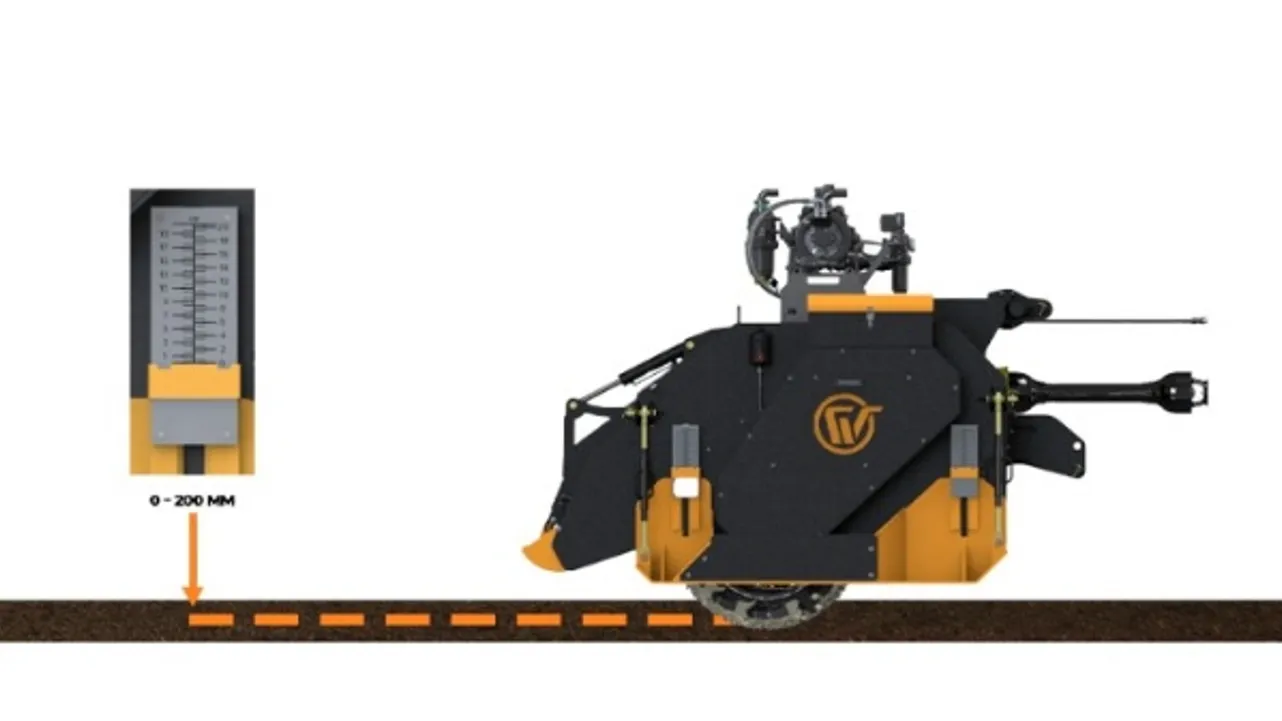
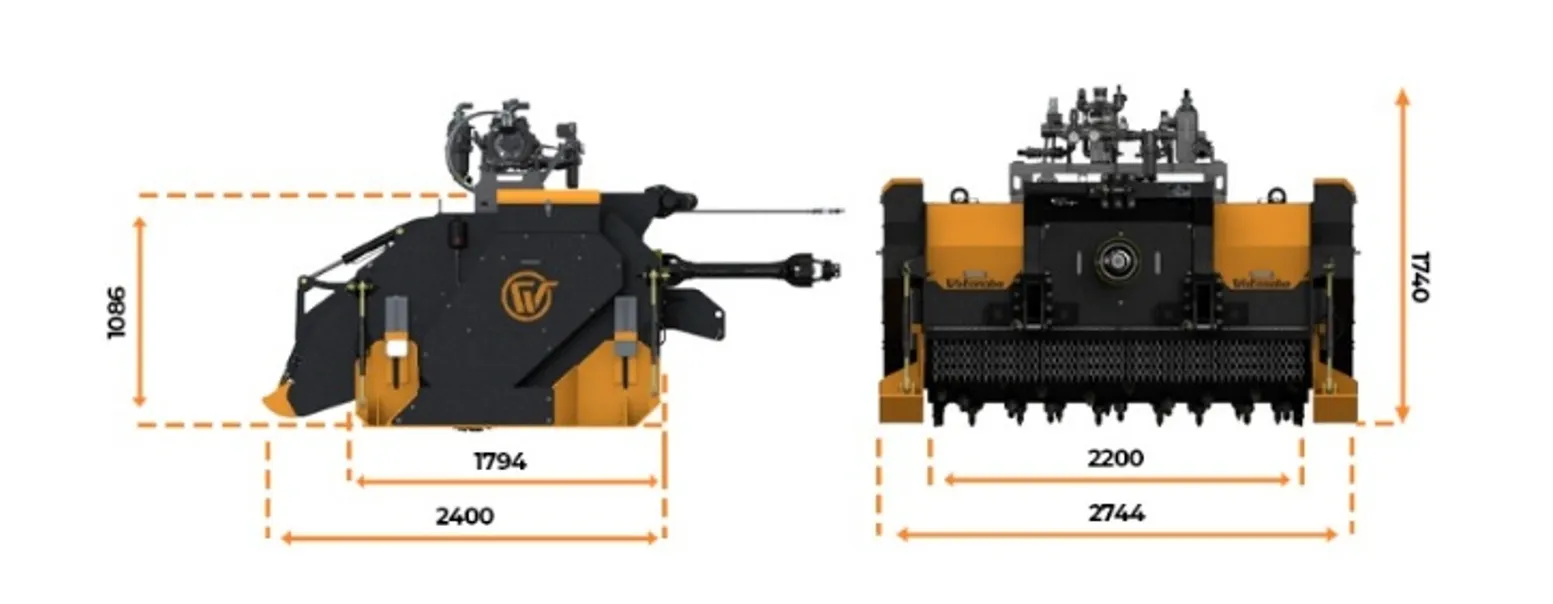
- Project scale and timeline — Large linear projects (roads, railways) favour in-situ chemical stabilization with a tractor-mounted or self-propelled stabilizer machine for production rate. Small or inaccessible sites may require manual or specialist methods. Timeline determines whether slow methods (preloading, MICP) are practical.
- Budget — Compaction is the cheapest method but often insufficient alone. Chemical stabilization has a higher upfront binder cost but dramatically reduces pavement thickness and long-term maintenance. Specialist methods (stone columns, electro-osmosis, MICP) are the most expensive and are justified only when simpler methods are not applicable.
Frequently Asked Questions
QWhich type of soil stabilization is most commonly used?
Cement stabilization is the most widely used type globally by volume of treated soil, particularly for road subgrade and subbase construction. Lime stabilization is the most common choice specifically for high-plasticity clay soils. Compaction is universal — no stabilization project of any type proceeds without it — but it is rarely sufficient on its own for weak or plastic soils.
QCan different types of stabilization be combined?
Yes — combination treatments are common and often produce better results than any single method alone. The most frequent combination in India is lime pre-treatment (to reduce PI of Black Cotton Soil) followed by cement stabilization (to achieve structural strength). Fly ash is frequently added to either lime or cement mixes to reduce binder cost and improve long-term durability. Vegetation is commonly applied on top of chemically stabilized embankment slopes for erosion control.
QWhat type of stabilization is used for Black Cotton Soil in India?
Lime stabilization is the standard first treatment for Black Cotton Soil (Vertisol) in India, as specified in IRC:SP:89. Quicklime at 3–6% by dry soil mass is mixed in, allowed to mellow for 24–72 hours, and then compacted. Where structural strength is also required (road subbase), a second pass with cement follows the lime mellowing. This two-stage lime-cement process is the most effective and widely used combination treatment for expansive Indian soils.
QIs MICP (bio-cementation) commercially available?
MICP has been demonstrated successfully at laboratory and small field trial scale and is commercially offered by a small number of specialist companies for niche applications such as dust suppression, liquefaction mitigation, and cultural heritage conservation. It is not yet available as a mainstream construction technique at the scale and cost required for road building or agricultural stabilization. Research is active globally, and field-scale application is likely to expand over the next decade.
QDo all types of soil stabilization require a stabilizer machine?
No — mechanical methods such as compaction use rollers, not stabilizer machines. Vegetation requires no machinery beyond seeding equipment. Preloading and surcharging require earthmoving equipment. However, all in-situ chemical stabilization methods — lime, cement, fly ash, bitumen — require a rotary mixing machine (soil stabilizer) to achieve the uniform binder distribution that produces consistent strength results. Without uniform mixing, binder is wasted and the result is unpredictable.
Key Takeaways
- There are 4 primary categories: mechanical, chemical, biological, and electrical — with 20+ specific methods across them
- Chemical stabilization (lime, cement, fly ash) is the most widely used category for construction — the only category that produces permanent, measurable structural strength
- For Indian road projects: lime for Black Cotton Soil (PI > 25), cement for granular and low-PI soils — often combined in a two-stage treatment
- Biological stabilization (vegetation, MICP) is suited to erosion control and slope stabilization, not structural load-bearing applications
- All in-situ chemical stabilization types require a rotary mixing machine to achieve the uniform binder distribution needed for consistent, reliable results
Understanding the full range of soil stabilization types — and the specific conditions each is suited to — is the foundation of a sound stabilization specification. For the majority of road construction, agricultural land improvement, and building platform projects across India, chemical stabilization using a tractor-mounted soil stabilizer machine delivers the best combination of performance, speed, and cost. Contact India Watanabe Soil Stabilizer Co.,Ltd to discuss which stabilization type and equipment configuration is right for your project.