● Climate & Durability
How Does Climate Affect Soil Stabilization?
Climate is one of the most significant variables in soil stabilization — yet it is frequently underestimated in project specifications. The same binder at the same rate applied to the same soil can produce dramatically different results depending on temperature during mixing, rainfall in the days following compaction, the intensity of the wet and dry seasonal cycle, and the severity of freeze-thaw cycling. This article examines each climatic factor in detail, explains the mechanisms through which they affect stabilization outcomes, and provides practical guidance for adapting design and construction to India’s diverse climatic zones.
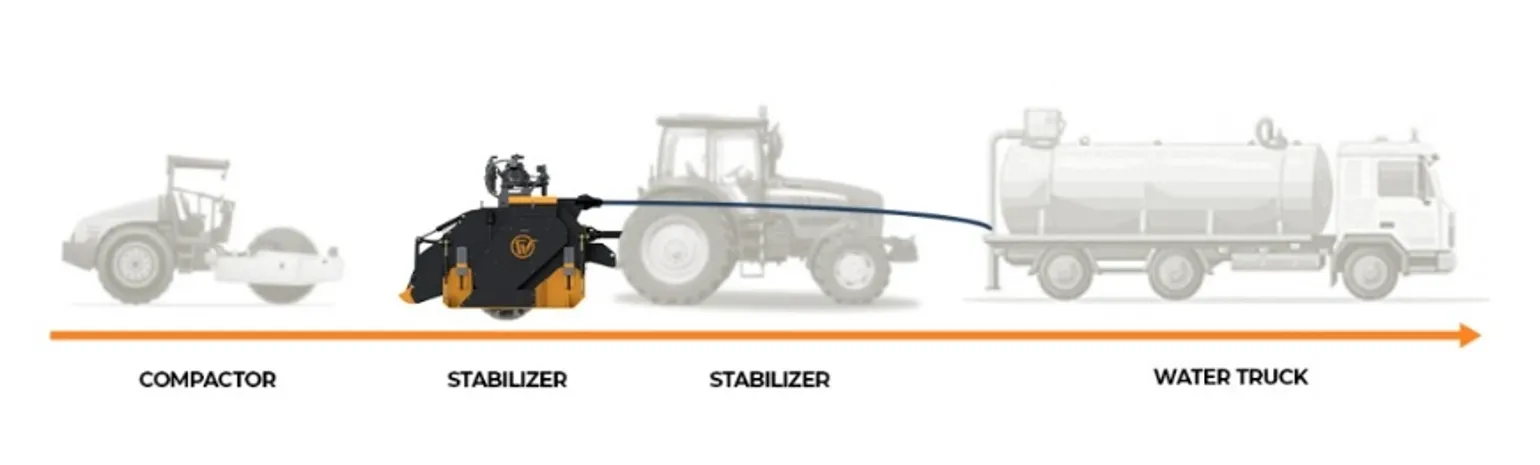
The Four Climate Factors That Affect Soil Stabilization
Climate affects soil stabilization through four distinct mechanisms, each acting at a different stage of the process:
| Climate Factor | Stage Affected | Primary Risk | India Relevance |
|---|---|---|---|
| High temperature | Mixing and compaction | Shortened working time window; rapid moisture loss | Very High (summer >40°C across most of India) |
| Monsoon / intense rainfall | Curing and service life | Washout of uncured binder; subgrade moisture ingress | Very High (1,200–3,000 mm/year in most zones) |
| Wet-dry cycling | Long-term durability | Progressive strength degradation; shrinkage cracking | High (extreme seasonal variation across Deccan Plateau) |
| Freeze-thaw cycling | Long-term durability | Ice lens formation; structural degradation | Moderate (Himalayan foothills, J&K, Himachal Pradesh) |
India’s Climatic Challenge
India’s climate presents the most demanding combination of stabilization challenges of any large construction market: peak summer temperatures exceeding 45°C shorten the cement compaction window; monsoon rainfall of 100–600 mm per month threatens uncured and poorly surfaced stabilized layers; and extreme wet-dry cycling on the Deccan Plateau tests the long-term durability of every stabilized layer for decades.
1. High Temperature: The Biggest Construction-Phase Challenge in India
Temperature affects soil stabilization primarily through its influence on cement hydration rate and moisture evaporation. Both effects become critical when ambient temperatures exceed 35°C — a condition that applies to most of India for 4–6 months of the year.
Effect on Cement Hydration Rate
The rate of cement hydration roughly doubles for every 10°C rise in temperature (Arrhenius relationship). At 20°C, a cement-stabilized soil has a working time (from binder spreading to compaction completion) of approximately 3–4 hours before the hydrating cement matrix stiffens enough to resist compaction. At 35°C, this window shrinks to 2 hours. At 45°C — common in Rajasthan, Gujarat, and parts of Maharashtra in summer — the working window may be as short as 60–90 minutes.
When the working window is exceeded and compaction is completed on a partially stiffened mix, the cement matrix is disrupted and cannot re-form fully. The result is a weaker layer with laminated structure and variable density — one of the most common causes of cement stabilization failure in hot Indian conditions. The solution is not to stop work in hot weather, but to plan production rate and equipment fleet to consistently complete the mix-to-compaction sequence within the available window.
Effect on Moisture Evaporation
High temperature and low humidity accelerate evaporation from the mixed soil layer before and during compaction. If the moisture content drops significantly below optimum moisture content (OMC) before rolling is complete, the mix cannot achieve maximum dry density regardless of compaction effort. The resulting under-compacted layer has high void space, low UCS, and poor durability.
Practical adaptations for hot weather stabilization:
- Work in cooler periods — Start mixing by 06:00 and complete compaction before 10:00 in peak summer. Avoid the 10:00–15:00 window when temperatures are highest and evaporation fastest.
- Use PPC or PSC instead of OPC — Portland Pozzolana Cement (PPC, with fly ash) and Portland Slag Cement (PSC, with GGBS) generate less heat of hydration than OPC and hydrate more slowly, extending the working time window by 20–40 minutes at high temperatures.
- Add water generously during mixing — Set the stabilizer machine’s water injection system (or separate water tanker) to add 10–15% more water than the laboratory OMC, anticipating evaporation loss between mixing and compaction completion.
- Increase compaction fleet size — Deploy additional rollers so that the mixed area is fully compacted before the working time expires. In very hot conditions, a second roller directly behind the first may be necessary.
- Consider lime pre-treatment — For high-PI clays, lime modification first reduces plasticity and moisture content, after which a second cement pass can be made with a more controlled working time. Lime has a much longer working window (4–24 hours) and is far less sensitive to high temperature.
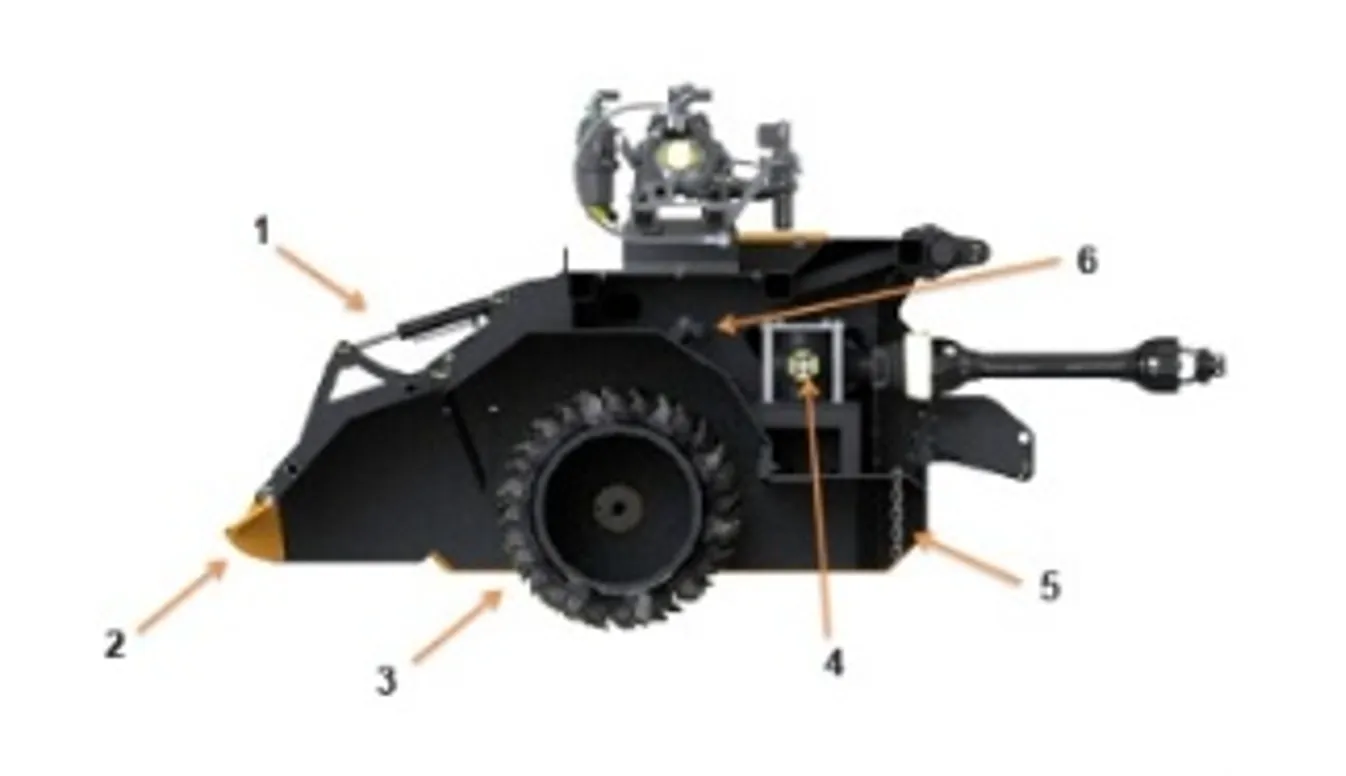
2. Monsoon and Intense Rainfall: Timing and Protection
India’s monsoon brings 70–90% of the country’s annual rainfall in a period of 3–4 months (June–September in most regions). Rainfall intensity during the monsoon can exceed 100 mm in a single day and 50 mm in a single hour during heavy storm events. This concentrated, intense rainfall has profound effects on soil stabilization — both during construction and during the service life of the stabilized layer.
Effect on the Construction Phase
The most critical vulnerability during construction is the period between binder spreading and the completion of compaction plus curing membrane application. If heavy rain falls on:
- Pre-spread binder before mixing — Rain washes cement or lime powder off the surface before it can be mixed in, resulting in severe under-dosing. This is catastrophic for cement stabilization — if not detected and corrected, the under-dosed layer will fail to achieve target UCS. Weather monitoring and suspension of binder spreading at any rain forecast > 5 mm is essential.
- Freshly mixed but uncompacted material — Rain on a freshly mixed but uncompacted layer dilutes the mix, increases moisture content above OMC (making compaction impossible), and may wash binder to the surface. The layer must be scarified and re-mixed after the rain event, with fresh binder added at the deficit rate.
- Compacted but uncured layer (first 24 hours) — Light to moderate rain on a freshly compacted cement-stabilized layer typically does not damage it significantly — the cement matrix is already forming and the layer has some cohesion. However, heavy rain creating surface ponding and erosion can damage the surface of the layer. The curing membrane (bituminous seal or polythene sheet) should be applied within 30 minutes of final rolling, before rain risk.
Effect on Service Life
During the service life of a stabilized road, monsoon rainfall is the primary agent of deterioration. Water that enters through cracks or defects in the pavement surface reaches the stabilized subgrade and saturates it. The effect on service life depends entirely on how well the stabilization was executed:
- Well-stabilized subgrade (UCS >1.5 MPa) — Retains 70–90% of its dry-state strength when fully saturated. Monsoon moisture ingress causes minimal additional settlement or deformation. The road continues to function normally through the monsoon season.
- Under-stabilized or poorly compacted subgrade — Can lose 50–80% of its dry-state bearing capacity when saturated. Monsoon rainfall causes rapid rutting, potholing, and structural pavement failure — the characteristic pattern of Indian rural road failure that recurs every monsoon season.
“
A well-stabilized Indian road subgrade retains 70–90% of its dry-state strength when fully saturated. An under-stabilized subgrade loses 50–80% — the difference between a road that survives the monsoon and one that fails every year.
3. Wet-Dry Cycling: The Long-Term Durability Test
Wet-dry cycling — the alternation between saturated conditions during the monsoon and extremely dry conditions during the dry season — is the most damaging long-term climate effect on stabilized soil in the Indian context. The Deccan Plateau, which covers Maharashtra, Karnataka, Andhra Pradesh, and Telangana, experiences some of the most extreme wet-dry cycling in the world: 600–1,500 mm of monsoon rainfall followed by near-zero rainfall for 7–8 months, with soil surface temperatures reaching 50–60°C in summer.
Mechanism of Wet-Dry Damage
Each wet-dry cycle subjects the stabilized layer to:
- Wetting phase — Water infiltrates the layer, expanding clay minerals (if any remain unreacted), increasing pore pressure, reducing effective stress, and softening any unreacted soil pockets within the treated zone. For a well-stabilized layer with full binder reaction completed, this effect is minimal. For a layer with incomplete reaction (insufficient binder, poor mixing, or inadequate curing), this can cause significant strength loss.
- Drying phase — Moisture evaporates from the layer. Shrinkage stresses develop as the layer contracts. If the cement matrix is sufficiently strong, these stresses are accommodated as fine shrinkage cracks. If the matrix is weak (insufficient binder), wider cracks develop that allow more water entry in the next wetting cycle, creating a progressive failure mechanism.
- Cumulative effect — ASTM D559 wet-dry durability testing — which subjects stabilized specimens to 12 cycles of 48-hour wetting followed by 42 hours of oven drying — requires that weight loss does not exceed 14% for the material to be considered durable. Well-designed cement and lime stabilization typically shows weight loss of 2–8% after 12 cycles — well within limits. Poorly designed mixes can lose 20–40%, indicating progressive disintegration.
Design Adaptations for High Wet-Dry Cycling Zones
In regions with extreme wet-dry cycling — particularly the Deccan Plateau — the following design adaptations are recommended:
- Specify UCS at the upper end of the IRC:SP:89 range (2.5–3.0 MPa) rather than the minimum (1.5 MPa) to provide a strength reserve against wet-dry degradation over the design life
- Add 10–15% fly ash or GGBS to cement mixes to reduce permeability, limiting the depth of moisture penetration during the wetting phase
- Include wet-dry durability testing (ASTM D559 or equivalent) in the laboratory mix design acceptance criteria, not just UCS
- Prioritise prompt pavement surfacing after curing — delaying surface application exposes the stabilized layer to wet-dry cycling before it has developed full pozzolanic reaction strength
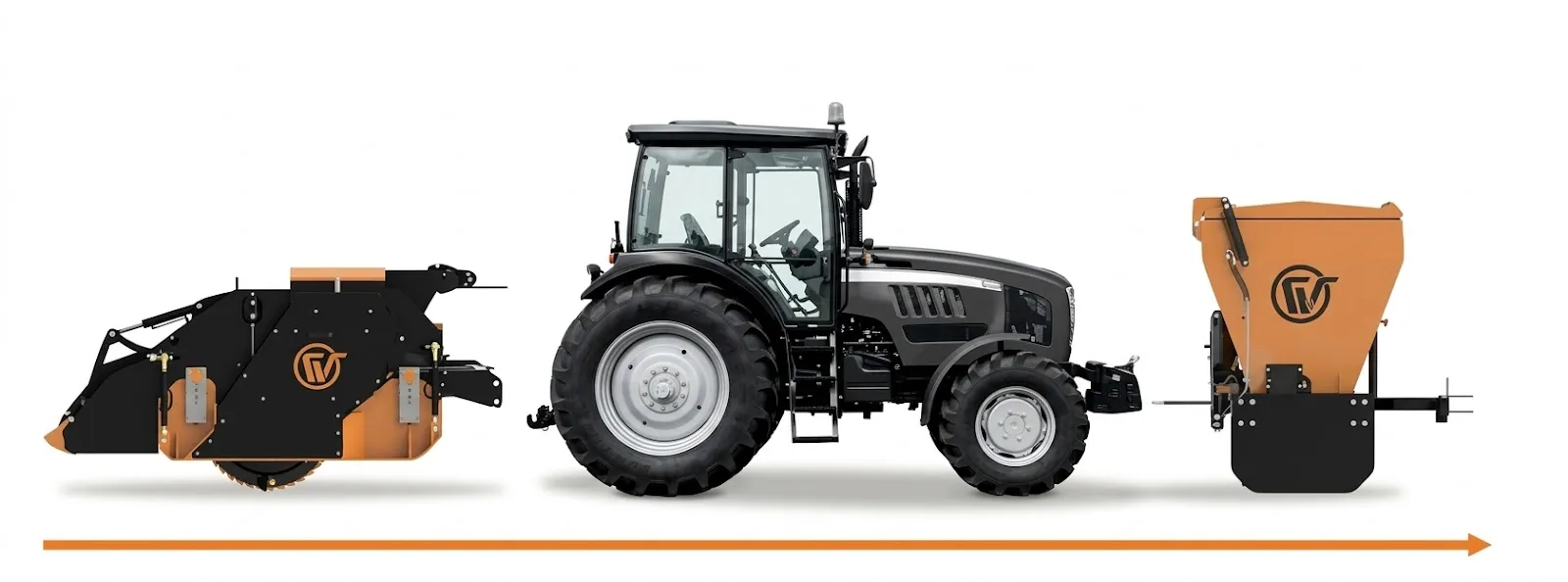
4. Freeze-Thaw Cycling: The Himalayan and Hill Station Challenge
Freeze-thaw cycling is the seasonal alternation between freezing and thawing of soil moisture, most relevant in Jammu & Kashmir, Himachal Pradesh, Uttarakhand, Sikkim, and high-altitude areas of the North-East. While less widespread than wet-dry cycling in India, it is extremely damaging to roads and structures in affected areas.
How Freeze-Thaw Degrades Stabilized Soil
When water in soil pores freezes, it expands by approximately 9% in volume. This expansion exerts tensile stress on the surrounding soil or cementitious matrix. If this stress exceeds the tensile strength of the material, microcracks form. During thawing, water migrates toward the freezing front by capillary action, creating ice lenses — layers of ice that grow perpendicular to the temperature gradient, heaving the surface upward. On thawing, the ice lenses melt and the soil collapses, often with very high moisture content and very low bearing capacity.
Cement and lime stabilization are not immune to freeze-thaw damage, but they are significantly more resistant than unstabilized soil. A well-cured cement-stabilized layer has lower permeability (limiting ice lens water supply), higher tensile strength (resisting ice expansion stress), and higher UCS at any temperature. The key factor is UCS at time of first freeze — layers that have not achieved adequate strength before winter are far more vulnerable than fully cured layers.
Design Adaptations for Freeze-Thaw Zones
- Complete stabilization works before first frost — Cement-stabilized soil must achieve at least 70% of design UCS before temperatures drop to 0°C. This typically means completing works at least 21–28 days before expected first frost at elevation.
- Do not mix below 5°C — Cement hydration effectively stops below 5°C. Mixing at low temperature produces a layer that will not gain strength before freezing — virtually guaranteed to fail. Minimum mixing temperature of 7°C for the soil is a standard construction specification in cold climate zones.
- Include freeze-thaw durability testing — ASTM D560 (12 freeze-thaw cycles) with weight loss < 14% acceptance criterion should be included in mix design for all stabilization projects in areas subject to seasonal freezing.
- Increase design UCS — Target UCS of 2.5–4.0 MPa (vs 1.5–3.0 MPa in tropical zones) to provide adequate tensile strength to resist ice expansion stress through multiple freeze-thaw cycles over the design life.
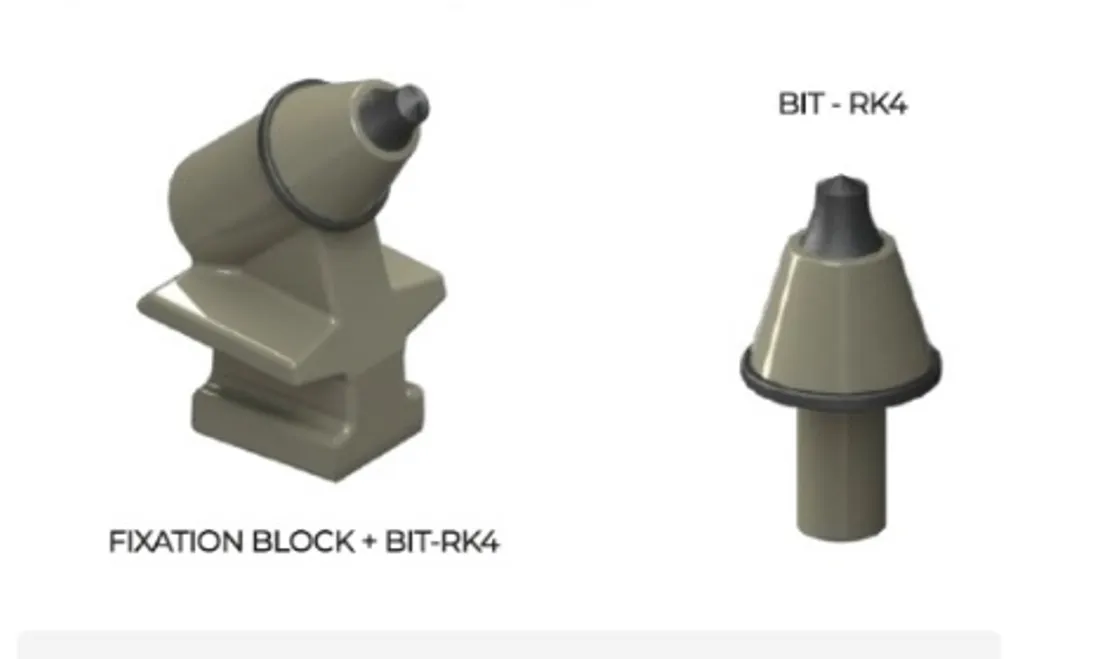
Climate Zone Guide for Indian Soil Stabilization Projects
India’s diverse climates require zone-specific adaptations to stabilization design and construction practice. The table below summarises the primary climate challenge and recommended adaptations for each major zone:
| Climate Zone | States / Regions | Primary Challenge | Key Adaptations |
|---|---|---|---|
| Hot Semi-Arid | Rajasthan, Gujarat, Maharashtra interior | Extreme heat (>45°C), wind erosion, limited rainfall | Early morning work; PPC/PSC; generous water addition; prompt curing membrane |
| Tropical Wet-Dry (Deccan) | Maharashtra, Karnataka, Andhra Pradesh, Telangana | Extreme wet-dry cycling; Black Cotton Soil | Target UCS 2.5–3.0 MPa; fly ash addition; wet-dry durability test; lime pre-treatment |
| Humid Sub-Tropical | UP, Bihar, West Bengal, parts of MP | High monsoon rainfall; soft alluvial soils | Rain monitoring; avoid monsoon construction; lime pre-treatment for wet clay; PVD-assisted preloading for deep soft zones |
| Tropical Coastal | Kerala, coastal Tamil Nadu, Odisha, West Bengal coast | Very high rainfall (>2,000 mm); sulphate from sea spray; soft coastal soils | PSC for sulphate resistance; test for chloride/sulphate before specifying binder; geosynthetic reinforcement for soft zones |
| Alpine / Sub-Alpine | J&K, Himachal Pradesh, Uttarakhand, Sikkim | Freeze-thaw cycling; short working season; difficult access | Complete before first frost (Oct); min soil temp 7°C; target UCS 2.5–4.0 MPa; freeze-thaw durability testing |
Frequently Asked Questions
QCan soil stabilization be carried out during the monsoon in India?
Lime modification of wet clay can be done during the monsoon because the exothermic reaction dries the soil and the long working window tolerates moisture variability. Cement stabilization during active monsoon is strongly discouraged — rain on pre-spread cement or freshly mixed material destroys the treatment. Some contractors work during monsoon by monitoring rainfall forecasts closely and only executing cement work during confirmed dry windows of 36–48 hours. This is high-risk; the safest approach is to schedule cement stabilization for October–May in most Indian locations.
QDoes high temperature increase or decrease the final strength of cement-stabilized soil?
High temperature during curing (up to 40°C) actually increases the rate of strength gain and can result in higher 7-day UCS compared to specimens cured at 20°C — this is why IRC:SP:89 specifies 7-day curing at 40°C for mix design in India. However, temperatures above 50°C during curing can cause microcracking from thermal expansion mismatch, potentially reducing long-term strength. The Indian summer field condition — soil temperatures of 35–45°C during the curing period — is generally beneficial for early strength development, provided compaction was completed correctly within the working window.
QWhy do some Indian roads fail every monsoon even though they were stabilized?
The most common causes are: (1) insufficient binder rate — the material achieved less than the design UCS and has low soaked strength; (2) poor compaction — density below 97% MDD leaves high void space for water ingress; (3) delayed or absent curing membrane — early rain washed or damaged the treated surface; and (4) delayed pavement surfacing — the stabilized layer was exposed to wet-dry cycling before full pozzolanic reaction was complete. Any of these process errors reduces monsoon resilience dramatically.
QIs lime or cement more resistant to wet-dry cycling?
Lime stabilization is generally more resistant to wet-dry cycling degradation than cement stabilization alone, because the long-term pozzolanic reaction of lime-clay systems continues to build strength and reduce permeability over months — somewhat compensating for wet-dry cycle damage. Cement stabilization achieves higher absolute UCS but is more susceptible to wide shrinkage cracking during dry cycles if the cement content is too high. The best combination for high wet-dry cycling zones is lime pre-treatment (for plasticity reduction) followed by moderate cement content (for structural strength), with fly ash addition to reduce permeability.
QWhat is the best time of year to do soil stabilization in India?
October to February is the optimal window for most of India — post-monsoon soil conditions (adequate moisture but not saturated), low rainfall risk, moderate temperatures (20–35°C), and sufficient time for curing before the next monsoon. March to May is acceptable for cement stabilization if early morning working hours are adopted and curing is carefully managed. June to September (monsoon) is high-risk for cement stabilization and should be avoided where possible. For Himalayan regions, May to September is the only viable window before freeze conditions return in October.
Key Takeaways
- Four climate factors affect stabilization: high temperature (shortens working window), monsoon rainfall (threatens construction phase), wet-dry cycling (long-term durability), and freeze-thaw (Himalayan regions)
- At 45°C, the cement stabilization working window shrinks to 60–90 minutes — early morning work, PPC/PSC cement, and generous water addition are essential adaptations
- A well-stabilized subgrade retains 70–90% strength when saturated; a poorly stabilized one loses 50–80% — this is the difference between monsoon survival and annual failure
- Deccan Plateau wet-dry cycling demands UCS of 2.5–3.0 MPa (not the 1.5 MPa minimum), fly ash addition, and wet-dry durability testing in mix design
- October to February is the optimal stabilization window for most of India — post-monsoon moisture, low rain risk, and moderate temperatures
Climate is not an obstacle to successful soil stabilization in India — it is a design parameter. Every Indian climate zone from the Thar Desert to the Himalayan foothills can be successfully stabilized with the right binder, the right construction timing, and the right quality controls. The THOR ST Soil Stabilizer from India Watanabe Soil Stabilizer Co., Ltd. is designed to operate effectively across all of India’s climate zones — from the extreme heat of Rajasthan’s summers to the post-monsoon working season on the Deccan Plateau. Contact our team to discuss climate-specific stabilization solutions for your project location.