● Material Comparison
What Is the Most Commonly Used Material for Stabilization of Soil?
The short answer: Portland cement is the most widely used soil stabilization material in the world by volume. The more useful answer is more nuanced: cement dominates for granular soils and low-plasticity clays, while lime dominates for high-plasticity clays including Black Cotton Soil. In India — where expansive clay covers more than 60 million hectares of the Deccan Plateau — this distinction has enormous practical consequence. This article examines the global and Indian market positions of both materials, when each is the right choice, and how they compare head-to-head across the criteria that matter most to project engineers and procurement teams.
The Global Picture: Cement Leads, Lime Specialises
Globally, Portland cement accounts for the largest share of soil stabilization by volume. This dominance reflects three structural advantages: universal soil applicability (cement works on granular soils, silts, and low-to-moderate plasticity clays — the majority of soil types encountered in construction); fast strength gain (target UCS at 7 days, versus weeks for lime-pozzolan systems); and deep supply chain penetration (cement is available from major manufacturers in every country, with established quality standards and reliable supply). The global soil stabilization market consumes an estimated 200–400 million tonnes of cement annually for ground improvement applications, making it by far the dominant stabilizing agent by mass.
Lime occupies the second position globally but holds a dominant position in specific soil contexts. Wherever high-plasticity expansive clays are widespread — the southern United States, sub-Saharan Africa, India’s Deccan Plateau, parts of Australia — lime is the material of first choice because cement cannot effectively reduce the PI of high-plasticity soils without lime pre-treatment. In these regions, lime consumption for stabilization can rival or exceed cement on a per-project basis.
India’s Unique Split
In India, the stabilization market is geographically split: cement dominates in northern and eastern states with alluvial soils (UP, Bihar, West Bengal, Punjab); lime dominates in the Deccan Plateau states (Maharashtra, Karnataka, Andhra Pradesh, Telangana, MP) where Black Cotton Soil covers the majority of the road network. Many projects in the Deccan use lime first, then cement in a two-stage process that combines the PI reduction of lime with the structural UCS of cement.
Cement vs Lime: Head-to-Head Comparison
The following comparison covers the criteria that matter most to project engineers, specification writers, and procurement teams:
| Criterion | Portland Cement (OPC/PPC) | Quicklime / Hydrated Lime |
|---|---|---|
| Primary stabilization mechanism | Cementitious hydration (CSH/CAH crystals) | Cation exchange + pozzolanic reaction |
| Best soil type | Granular, silt, low-to-moderate PI clay (PI < 20) | High-PI clay, Black Cotton Soil (PI > 20) |
| Typical application rate | 3–14% by dry soil mass | 3–8% by dry soil mass |
| Design UCS (IRC:SP:89) | 1.5–3.0 MPa at 7 days (soaked) | 0.3–1.5 MPa at 7 days; modification: 0.175 MPa |
| Strength development speed | Fast: 80–90% UCS at 7 days | Slow: significant gain over weeks–months |
| Working time (compaction window) | 2–4 hours (temperature-dependent) | 4–72 hours (much more forgiving) |
| Plasticity reduction (PI) | Minimal; cannot treat PI > 20 effectively alone | Excellent: reduces PI by 15–30 points immediately |
| Swelling control | Moderate (matrix restrains swelling) | Excellent (permanently alters clay surface chemistry) |
| Sulphate-bearing soil risk | High (OPC C₃A + sulphate = ettringite heave) | Moderate (DEF possible at high lime + sulphate) |
| Organic soil performance | Poor (> 1% OC significantly reduces UCS) | Poor (> 1% OC inhibits pozzolanic reaction) |
| CO₂ per tonne of binder | ≈ 0.8 kg CO₂/kg cement | ≈ 0.75 kg CO₂/kg quicklime |
| Handling hazard | Low–moderate (alkaline dust) | High for quicklime (caustic burns, exothermic) |
| Approximate cost per tonne (India) | ₹ 350–420/bag (50 kg); ex-plant bulk lower | ₹ 4–8/kg quicklime; ₹ 5–10/kg hydrated lime |
When Cement Is the Right Choice
Portland cement is the most commonly used stabilization material globally for good reason — it is the most versatile. Cement should be the first-choice material in the following conditions:
Granular or sandy soils (PI < 10)
Lime has minimal effect on granular soils — there are insufficient clay minerals for pozzolanic reaction. Cement hydrates in the presence of any soil moisture and binds particles regardless of clay content. OPC at 4–8% is the standard treatment for granular subgrade stabilization on roads in alluvial plains, coastal zones, and river delta areas.
Low-to-moderate plasticity clays (PI 10–20)
Cement can achieve structural UCS on moderate-PI clays without lime pre-treatment. At PI 15–20, cement at 7–10% typically achieves 1.5–2.5 MPa soaked UCS at 7 days. Lime pre-treatment may still improve workability and reduce cement demand, but is not essential.
Projects with tight construction schedules
Cement achieves 80–90% of design UCS within 7 days. Lime stabilization requires weeks to months to achieve equivalent strength. Where roads must open to traffic quickly, cement is the only viable choice. Its short working window (2–4 hours) requires better site management but enables faster project completion.
Full depth reclamation of existing roads
When an existing flexible pavement is reclaimed and stabilized with cement, the recycled material typically contains asphalt, crushed aggregate, and subgrade soil with low plasticity. Cement binds this mixture effectively. Foamed bitumen is an alternative, but cement provides higher UCS and is simpler to specify and test.
Industrial platforms and non-road applications
Warehouse floors, container yards, aircraft aprons, and other high-load platforms require the high UCS (2.0–5.0 MPa) and rapid strength gain that cement provides. Lime stabilization cannot achieve these strength levels on most soils without an activator cement addition.
When Lime Is the Right Choice
Lime is not a universal stabilizer — but for the soils where it works, nothing works better. Lime is the right choice in the following conditions:
High-plasticity expansive clays (PI > 20, especially > 35)
Cement cannot effectively compact or bind soil with PI above 20 without pre-treatment — the clay remains too plastic and sticky to mix and compact to specification. Quicklime immediately reduces PI and moisture content, making the soil workable. For Black Cotton Soil with PI of 35–60 (common across Maharashtra, Karnataka, MP), lime is not optional — it is essential.
Very wet soils that cannot be compacted in natural state
Quicklime’s exothermic slaking reaction releases 65 kJ/mol, raising soil temperature by 20–50°C and driving off moisture. This unique drying effect makes unworkable, saturated clay workable in hours — without waiting days for natural drying. No other common stabilizing agent achieves this.
Long-term swelling and heave control
Lime permanently alters the surface chemistry of clay minerals — the swell potential of treated Black Cotton Soil is reduced to below 1.5% and remains so for decades. Cement can restrain swelling mechanically but does not alter clay mineralogy; if the cement matrix cracks (from traffic overload or shrinkage), swelling can resume. Lime-treated clay does not revert.
Projects with flexible construction schedules and long design life requirements
Lime stabilization continues to gain strength over months and years as pozzolanic reaction progresses. For projects with long design life requirements (30–50 years) on high-PI clay, lime provides a durability profile that often exceeds cement — particularly in high wet-dry cycling environments where lime-modified clay resists moisture-driven strength loss better than cement-only treatment.
The Two-Stage Combination: When Both Win
For Black Cotton Soil and other high-PI expansive clays, the most effective stabilization approach is the two-stage lime-cement combination. This is the treatment most commonly specified on NHAI national highway projects crossing the Deccan Plateau, and is codified in IRC:SP:89:
Stage 1: Lime modification (quicklime at 3–6%)
Spread and mix quicklime. Allow 24–72 hours for slaking, cation exchange, and drying. PI drops from 35–60 to below 20. The soil is now workable and its chemistry is receptive to cement bonding. This stage converts the problem soil into a workable, low-PI material that cement can treat effectively.
Stage 2: Cement stabilization (OPC/PPC at 4–7%)
Spread cement over the lime-modified soil and mix to the design depth. Compact within 2–4 hours and apply curing membrane. The cement achieves structural UCS of 1.5–3.0 MPa at 7 days on the now-workable soil. The combination delivers both swelling control (from lime) and structural strength (from cement) — something neither material achieves alone on high-PI clay.
Cost efficiency of the combination: The total binder cost of lime (3–6%) + cement (4–7%) is typically lower than the cement-only rate (10–14%) that would be needed to achieve equivalent UCS on high-PI soil without lime pre-treatment — because without lime modification, very high cement rates are needed just to overcome the workability and bonding limitation of the unmodified clay.
“
Cement is the most commonly used material globally. But on India’s Deccan Plateau — where Black Cotton Soil covers 60 million hectares — lime is not optional. It is the only material that makes cement work.
Usage by Project Type: What Indian Engineers Actually Specify
The following represents the most commonly specified stabilization materials by project type in the Indian construction market, based on IRC standards, NHAI technical specifications, and state PWD practice:
| Project Type | Most Common Material | Governing Standard |
|---|---|---|
| NH subgrade on BCS (Deccan Plateau) | Quicklime 4–6% + OPC 4–6% (two-stage) | IRC:SP:89 |
| Rural road on alluvial soil (PMGSY) | OPC or PPC at 5–8% | IRC:SP:89 / PMGSY specs |
| State highway rehabilitation (FDR) | OPC 3–5% or foamed bitumen 2–4% | IRC:37 / contractor spec |
| NH subgrade on sandy / lateritic soil | OPC or PPC at 4–7% | IRC:SP:89 |
| Agricultural land improvement / BCS | Quicklime or hydrated lime at 1–4% | State agriculture dept guidelines |
| Industrial platform / warehouse floor | OPC at 6–10% | IS:4332 / engineer spec |
| Unpaved road / dust control | Calcium chloride at 0.5–2% or lignin | Site-specific |
Fly Ash: The Most Commonly Used Supplementary Material
While cement and lime compete for the primary stabilization role, fly ash occupies an important third position as the most widely used supplementary stabilization material in India. It is rarely used alone — Indian fly ash is predominantly Class F (low calcium), requiring a calcium activator — but combined with lime or cement, it delivers significant cost savings while maintaining target UCS.
The typical fly ash combination mixes used on Indian road projects:
- Lime + fly ash (3–4% + 15–20%): Achieves UCS of 0.8–1.5 MPa on Black Cotton Soil at 28 days. Cost per unit of stabilization 25–40% lower than cement-only. Best for rural road subgrade improvement where timeline is not critical and UCS requirement is modest.
- Cement + fly ash (5–6% + 15–20%): Achieves UCS of 1.5–2.5 MPa on granular soils and low-PI clays at 28 days. PPC (which already contains 15–35% fly ash) is the simplest implementation. Direct fly ash addition alongside OPC gives the specifier more control over the fly ash content and source.
With India producing over 200 million tonnes of fly ash annually from its thermal power plants, and the Government of India mandating higher fly ash utilisation under the Fly Ash Notification, fly ash use in road stabilization is expected to continue growing — making it the third most commonly used stabilization material in India by volume.
Decision Tool: Which Material for Your Project?
Use the following decision logic to identify the most appropriate material before laboratory mix design confirms exact rates:
- PI > 35 (Black Cotton Soil, high-shrink clay): Quicklime first (3–6%) → then cement (4–7%) if structural UCS > 1.5 MPa required. Or quicklime + fly ash for rural roads where 0.8–1.2 MPa suffices.
- PI 20–35 (moderately expansive clay): Lime pre-treatment (3–5%) → cement (4–6%). Two-stage combination is more cost-effective than high-rate cement alone. Alternatively: hydrated lime at 5–7% alone if only PI reduction and subgrade preparation are needed.
- PI 10–20 (low-moderate plasticity): OPC or PPC at 5–9%. Add fly ash at 10–15% to reduce cost. Lime pre-treatment optional but may improve compactability.
- PI < 10 (granular, sandy, silty): OPC or PPC at 3–7%. Lime is ineffective. Add fly ash to extend if cost pressure is high. Consider foamed bitumen as flexible alternative.
- Sulphate content > 0.5% (any PI): Do not use OPC. Specify PSC or SRC if cement stabilization is needed. Use lime only if DEF expansion testing confirms safety. Conduct sulphate expansion test before finalising.
Frequently Asked Questions
QIs cement or lime cheaper for soil stabilization in India?
On a cost-per-unit-of-stabilizing-effect basis, the answer depends entirely on the soil. For granular and low-PI soils, cement at 4–7% is the most cost-effective option. For Black Cotton Soil (PI > 35), attempting to stabilize with cement alone requires 10–14% cement — which is more expensive than lime at 4–6% + cement at 4–6%. The two-stage combination is typically the most cost-effective approach for high-PI soils.
QCan cement stabilize Black Cotton Soil without lime pre-treatment?
It is possible at very high cement rates (12–18%) but is generally not recommended and rarely practiced. At these rates, shrinkage cracking risk is high, cost is excessive, and the treatment may still not fully achieve the workability and mixing uniformity needed for target UCS, because the unreduced PI makes consistent mixing difficult. The IRC:SP:89 guidance for Black Cotton Soil specifies lime modification as the first stage before cement treatment for precisely this reason.
QWhich material has longer service life — cement or lime stabilization?
Both achieve the 20–40 year design life specified in IRC:37 when correctly executed. In terms of long-term performance in wet-dry cycling environments, lime-stabilized expansive clay tends to show better durability because the permanent alteration of clay mineralogy is more robust than the rigid cement matrix against seasonal moisture fluctuation. Evidence from Texas (1950s-era lime-stabilized roads still performing) suggests lime-clay pozzolanic treatment can comfortably exceed 50–60 years service life.
QCan fly ash replace lime or cement entirely?
Not for Indian Class F fly ash — it requires a calcium activator (lime or cement) to react. Self-cementing Class C fly ash (uncommon in India) can be used alone at 20–30% but typically achieves lower UCS than equivalent lime or cement treatments. Fly ash is most valuable as a supplement that extends the primary binder, reduces cost, and improves workability — not as a standalone stabilizer for structural road applications.
QHow do I decide between OPC and PPC for stabilization?
PPC (containing 15–35% fly ash) is preferred in hot weather (lower heat of hydration extends working time), in wet-dry cycling environments (better long-term durability), and where cost reduction is important (PPC is generally cheaper than OPC). OPC is preferred where 7-day UCS is critical for programme reasons (OPC achieves slightly higher early strength than PPC), in cold weather (OPC hydrates faster at low temperatures), and where the project requires a very specific fly ash content that differs from the PPC formulation.
Key Takeaways
- Portland cement is the most commonly used stabilization material globally by volume — universal applicability, fast strength gain, and established supply chains
- In India’s Deccan Plateau (60 million hectares of Black Cotton Soil), lime is the first-choice material — the only agent that effectively reduces PI and enables subsequent cement treatment
- The two-stage lime + cement combination is the most commonly specified treatment for Black Cotton Soil on NHAI national highway projects — more cost-effective than cement alone at equivalent UCS
- Fly ash is the most commonly used supplementary material — combined with lime or cement, it reduces cost by 25–40% while meeting IRC:SP:89 UCS requirements
- Material selection follows PI: PI < 10 → cement only; PI 10–20 → cement ± lime pre-treatment; PI 20–35 → lime then cement; PI > 35 → quicklime then cement (essential, not optional)
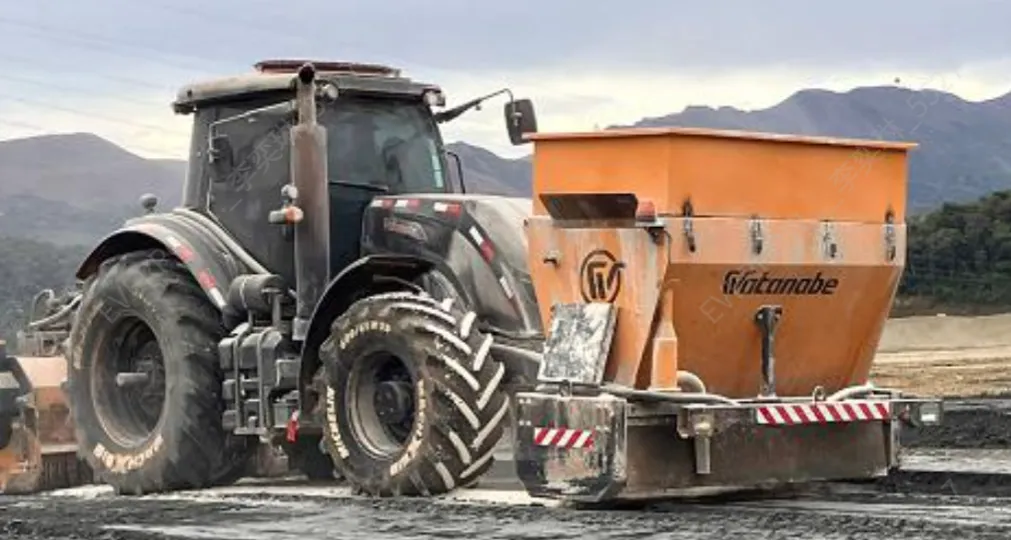
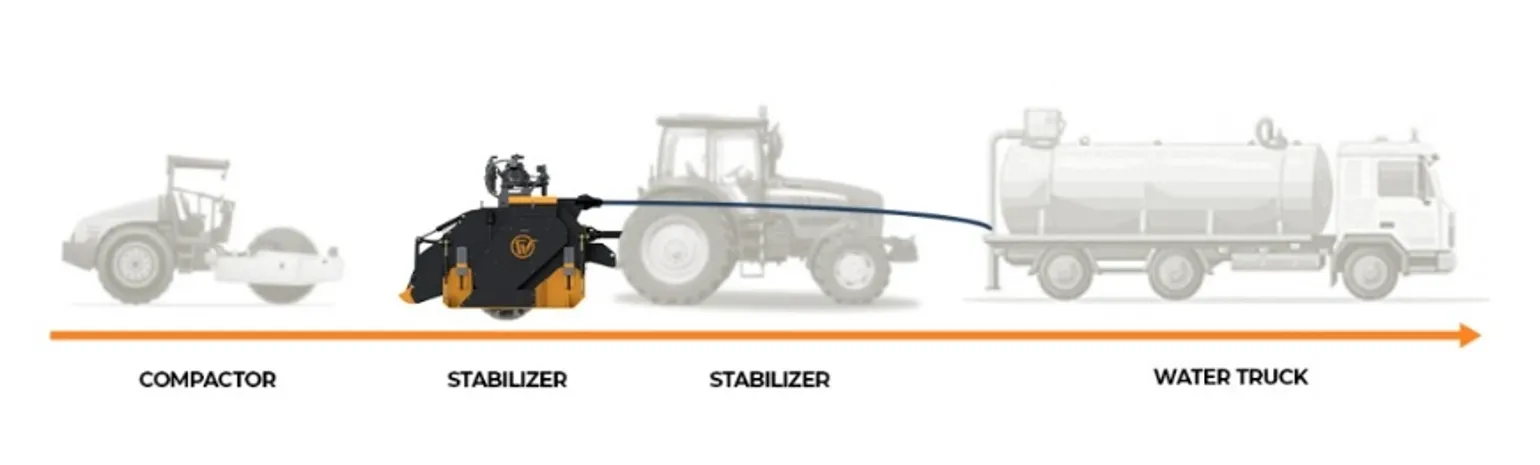
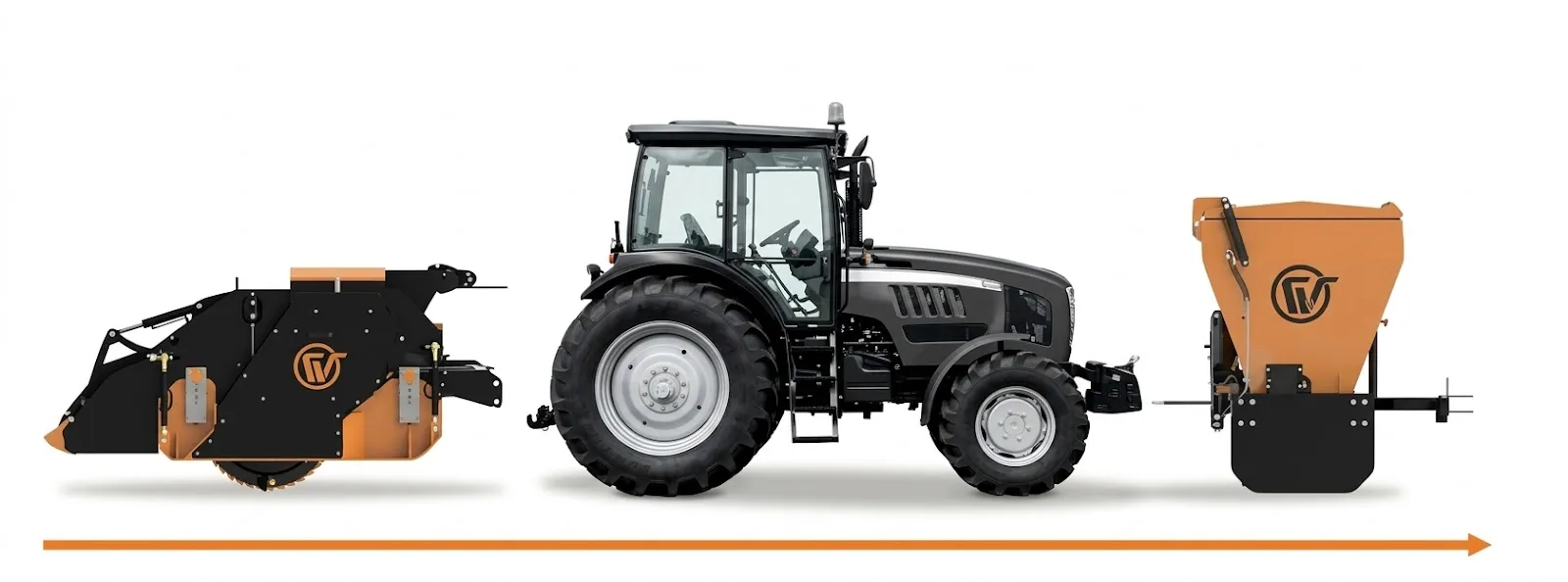
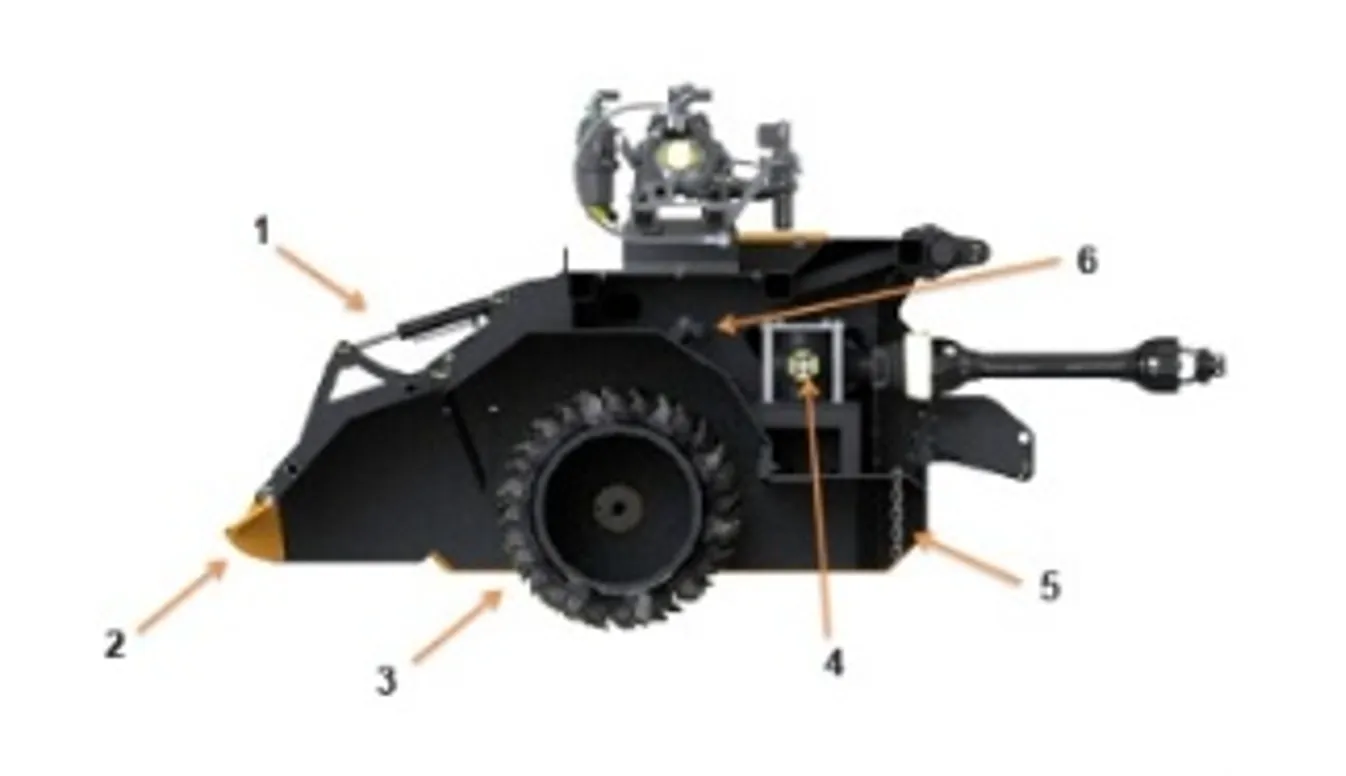
The most commonly used material for stabilization is the one that fits your soil — not the one that is cheapest, most familiar, or most readily available. In India, that means cement for the north and east, lime + cement for the Deccan, and fly ash supplementation wherever thermal power plants provide cost-effective access. The THOR ST Soil Stabilizer from India Watanabe Soil Stabilizer Co.,Ltd is designed to execute whichever material specification your project demands — lime, cement, or both in sequence — with the uniform mixing quality that converts a design specification into a 20–50 year stabilization result. Contact our team to discuss material selection and mix design for your specific soil conditions.